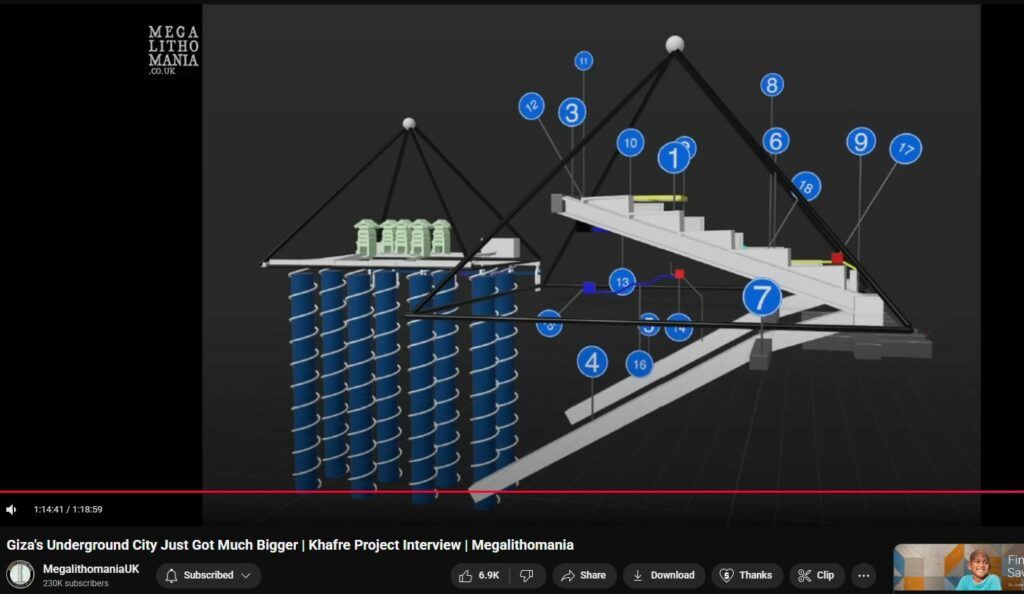
Giza Underground City Just Got Much Bigger Khafre Project Interview Megalithomania
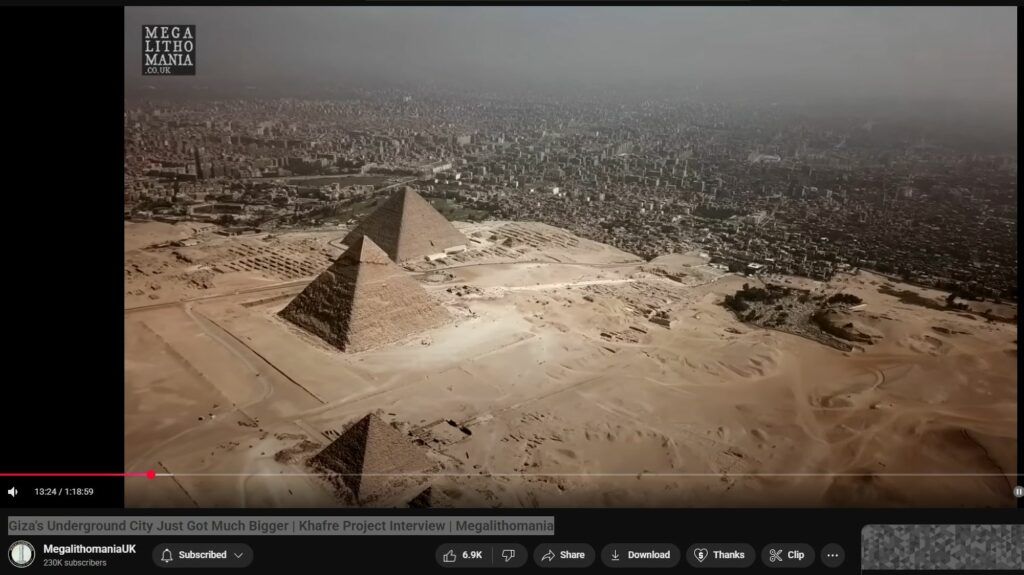
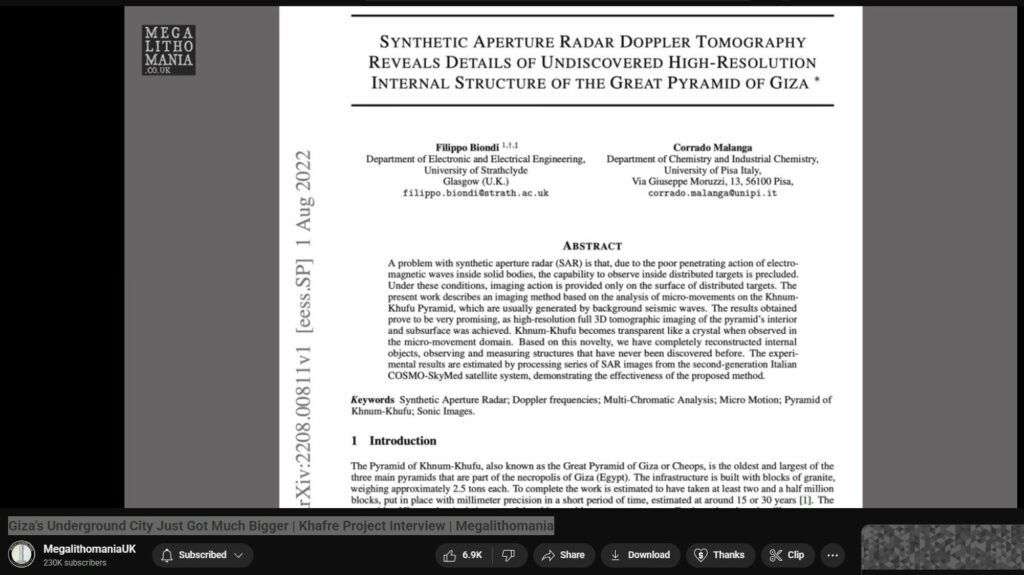
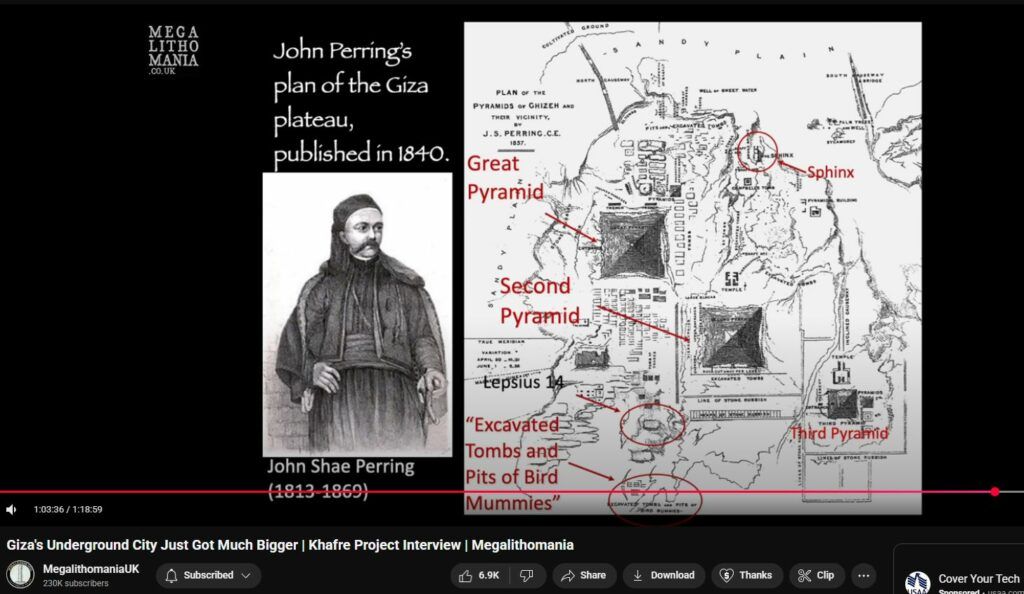
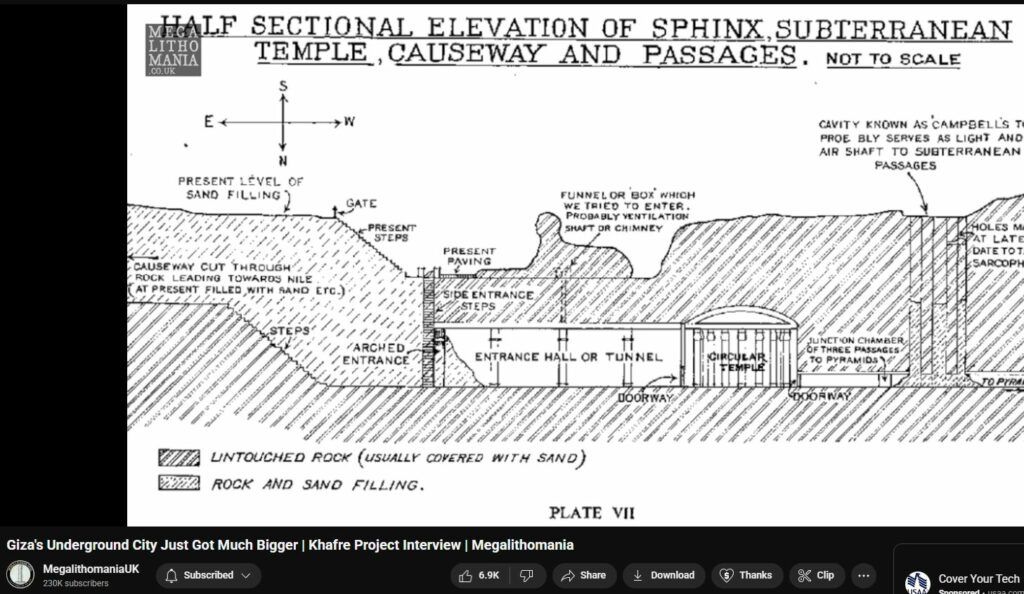
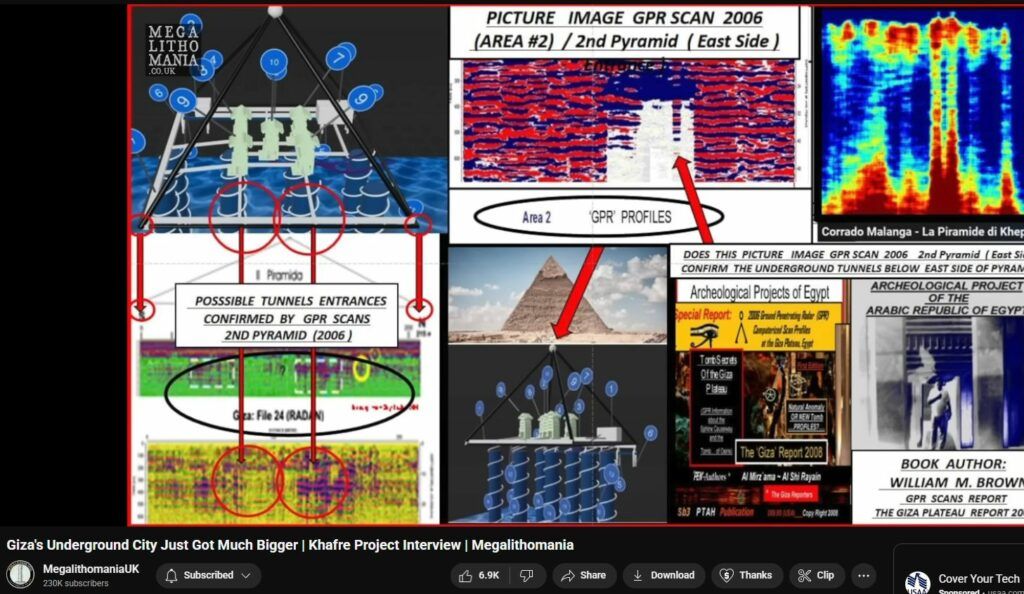
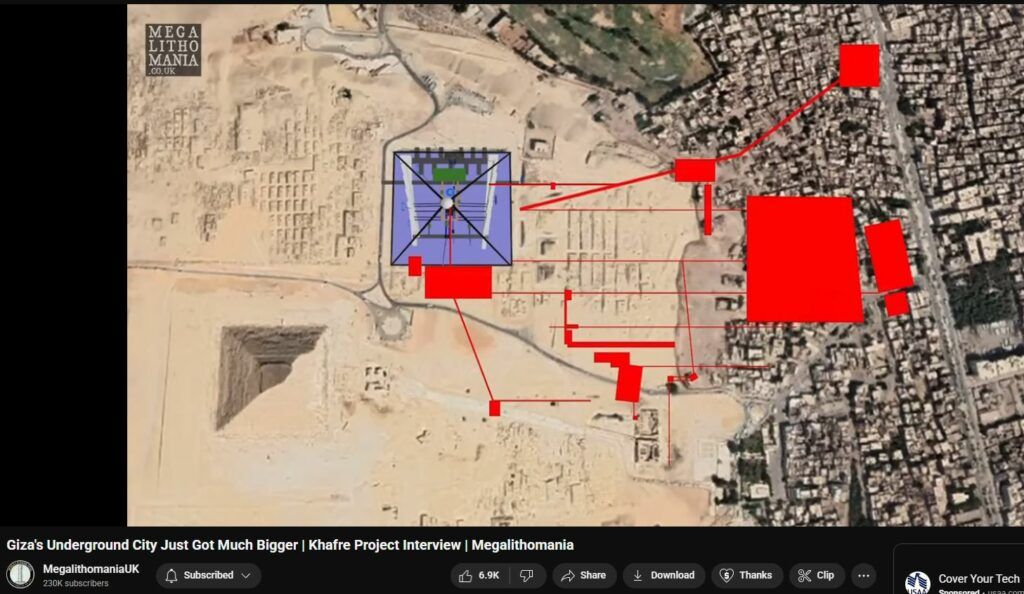
Jun 28, 2025 — An exclusive new Megalithomania interview with Armando Mei and Filippo Biondi of the Khafre Research Project analysing the brand new scientific SAR scan data that has just revealed that all three pyramids on the Giza Plateau have massive underground features, including the Sphinx. We also talk to Trevor Grassi who has been researching the Giza underground for several years. This is the full up-to-date story of what is going on beneath the pyramids at Giza with discoveries that may change history as we know it. Filmed at the 2025 @cosmicsummit
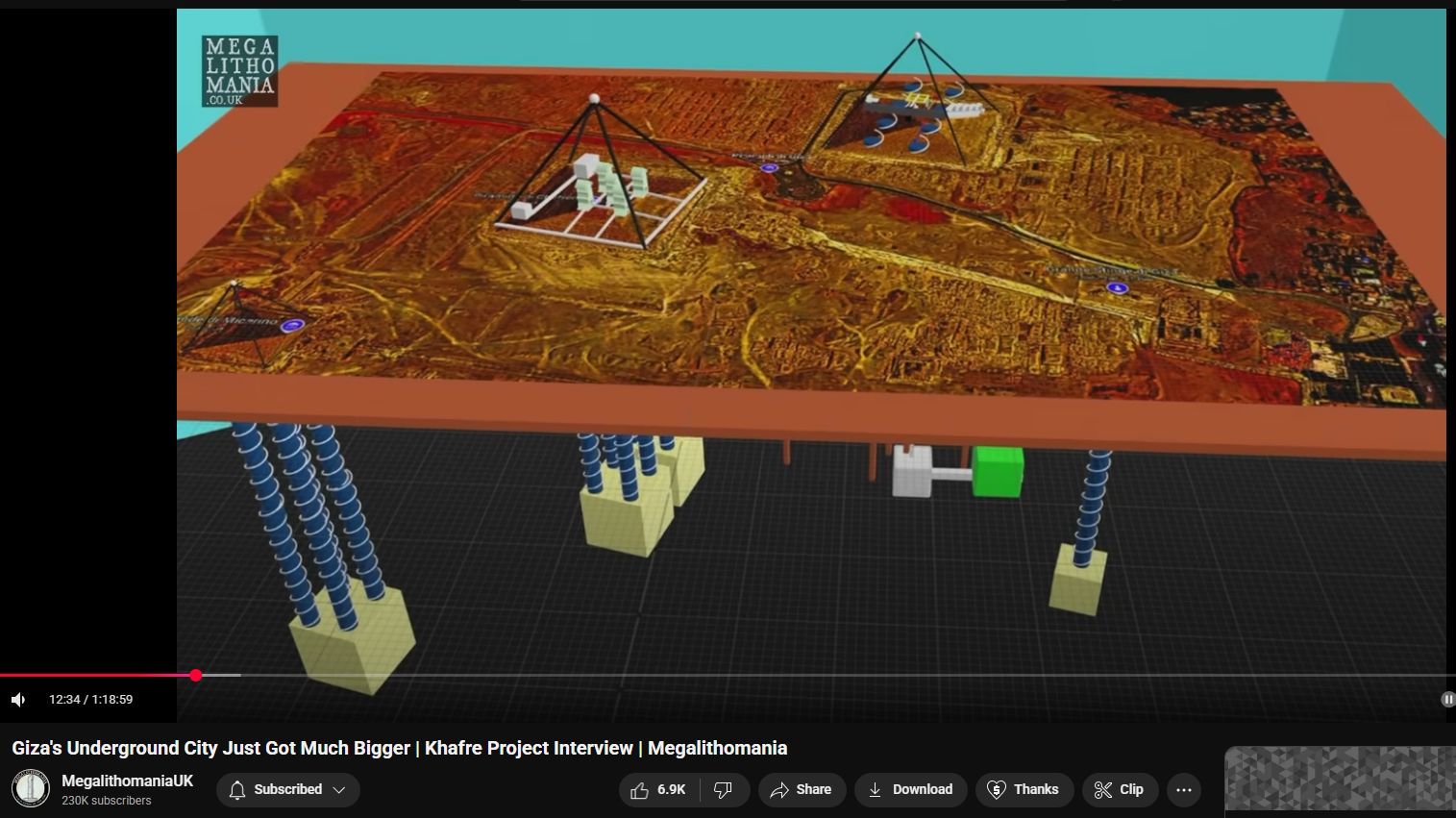


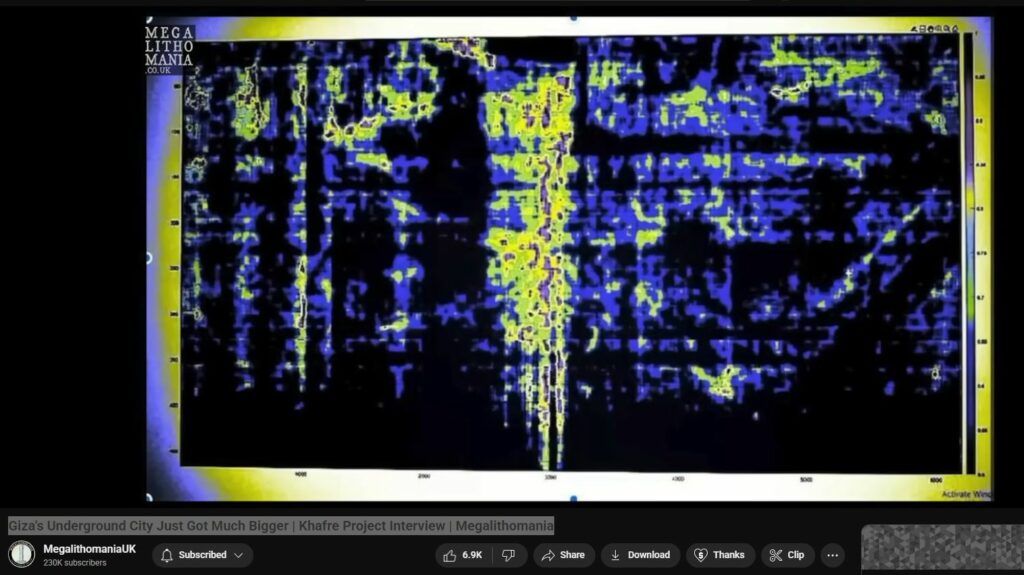
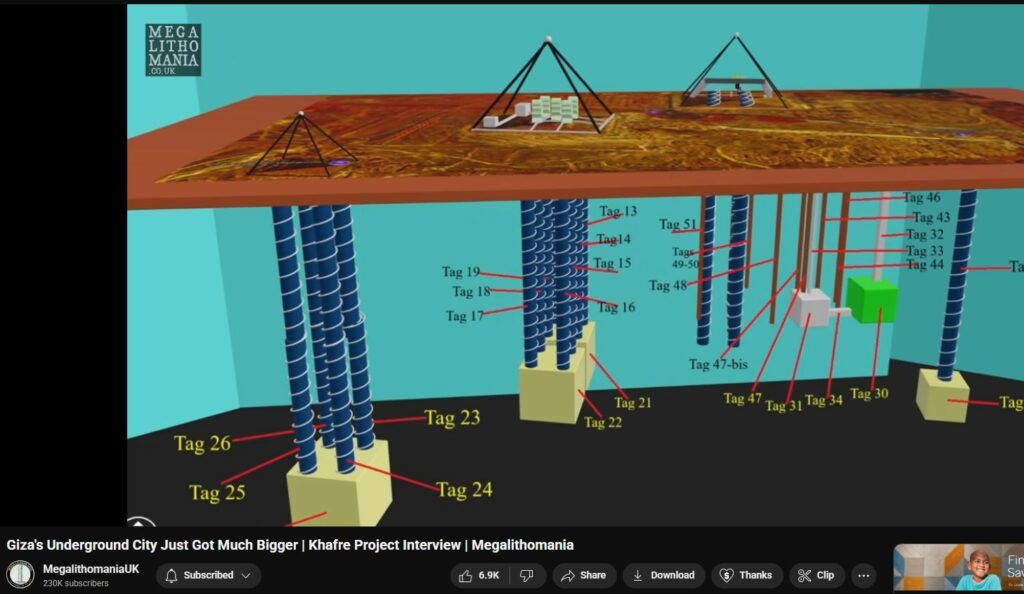
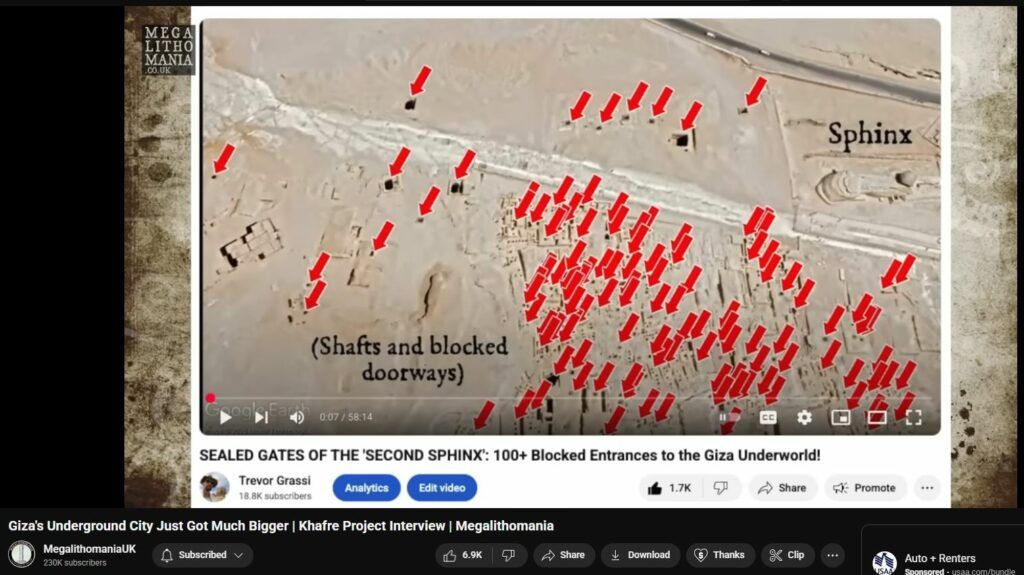
Many blocked vertical shafts
50 meters down, two horizontal shafts. 1,200 meters deep, a very large chamber. Underground aquifers? Chemical storage?
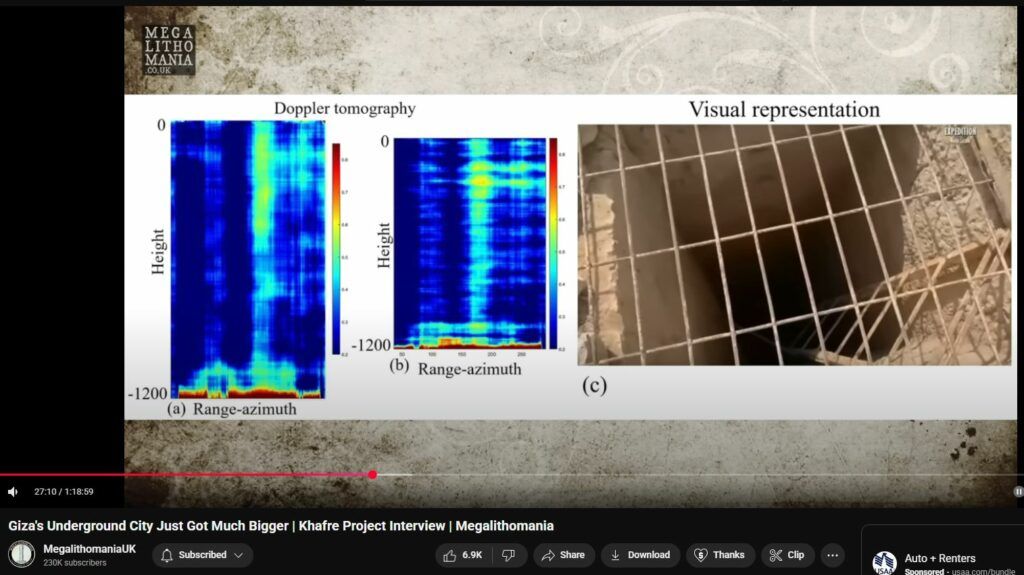
Excellent comment —
Its a 3600 feet (1.1 km) standing column well. GHPs drastically reduce the amount of energy needed to heat and cool a building. One loop will carry cold water at a constant 42 degrees; the other will carry hot water at a constant 150 degrees. Standing column wells are a specialized type of open-loop system that is well suited where bedrock is not too deep below the surface. Standing column wells are drilled to depths of 1,500 to 2,000 feet. The shallow portion of the well through the soil zone has casing installed, while the remaining depth is drilled and left as an open rock borehole. In these systems, the groundwater is pumped up from the bottom of the well, passed through a heat pump or heat exchanger, and then returned to the top of the well, where it filters slowly downward, exchanging heat with the surrounding bedrock. According to Rhyner, “Standing column wells provide the most thermal capacity per installation, thus are popular in urban locales like New York City with limited real estate to drill.” Columbia University Knox Hall relies on four standing column wells drilled to 1,800 feet deep for all of its heating and cooling needs. Reference Aaron Seward